
Technology Solutions for a Post-Collision World
We handle every technology system a repaired vehicle needs — calibration, diagnostics, programming, and more — to exact OEM specification, and we pick up and deliver every car so your shop never slows down.

You’ve mastered the collision.
The technology is where it stops.
Body shops have spent years perfecting collision repair — disassembly bays, training, tooling, OEM certifications, protocols followed to the letter. But the moment a repaired vehicle needs post-collision technology — calibration, programming, coding, diagnostics — that entire investment hits a wall.
The technology is the choke point
Modern repair procedures dictate ADAS calibrations, programming, coding, and diagnostics. It doesn't matter how good a shop's intentions are on the collision side — this is where the car stops.
Staying current is too expensive
OEM tooling runs ~$15,000 per brand, per location. Most providers can’t keep pace across every location — which is why, roughly 40% of the time, the car simply can’t be serviced.
Two kinds of shops, one wall
OEM-procedure shop or DRP shop measured on cycle time, you hit the same question: what happens when we can't calibrate, program, or diagnose this car?
You focus on the collision.
We handle the technology.
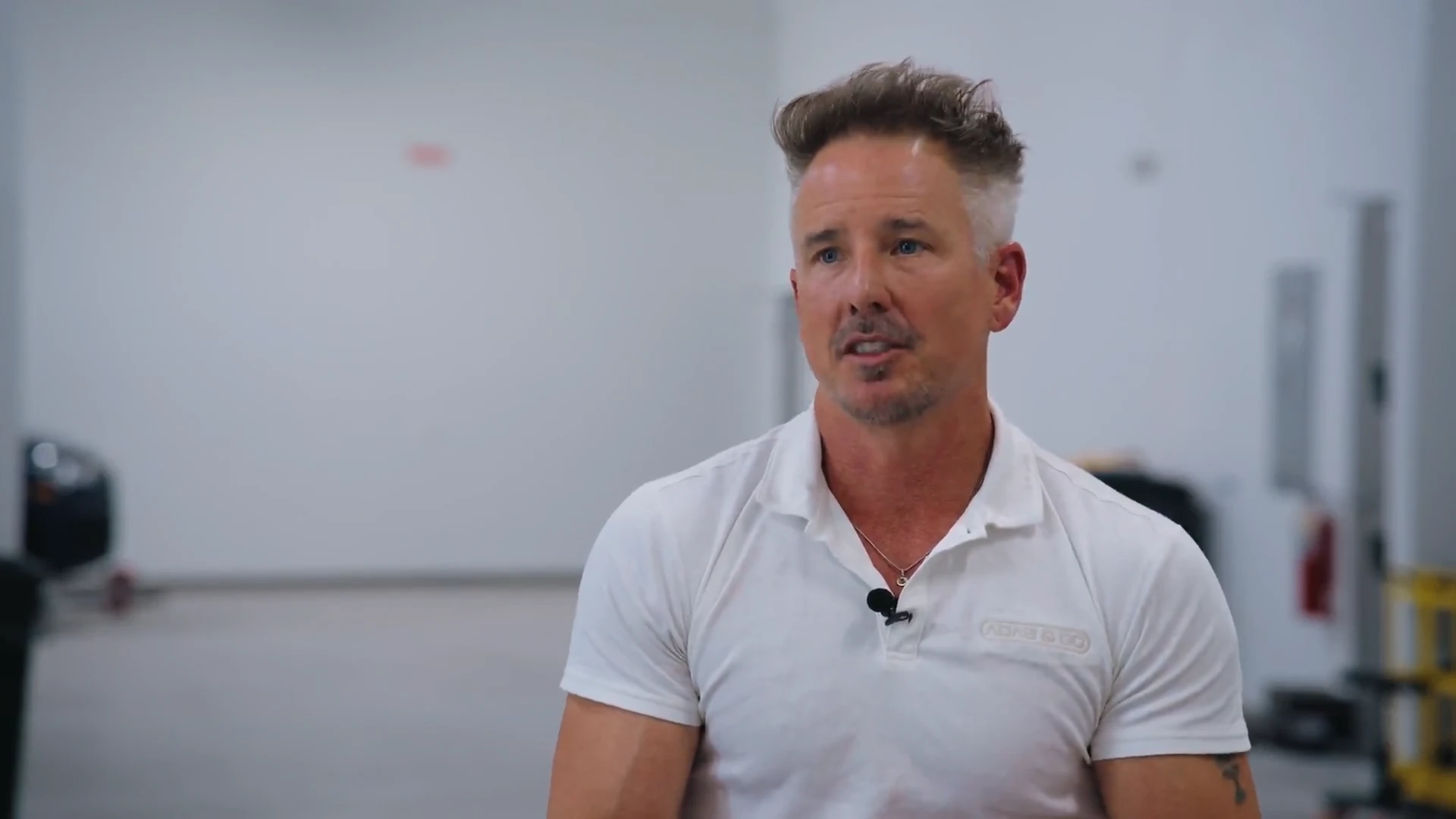
Today’s vehicles are rolling computers, and the technology work after a repair has become its own specialized field — one that demands controlled space, OEM tools and software, and expertise most shops can’t build in-house without major cost and risk. ADAS & GO takes all of it off your plate — and we solve it for both OEM-procedure and DRP shops, immediately.
More Throughput
Free pickup & delivery on every vehicle. No tied-up bays, no downtime. Throughput up ~22%.
We Do the Research
We determine exactly what each vehicle requires before work begins, so your team never burns hours chasing OEM procedures.
Zero Financial Risk
Our no-conflict policy: if insurance doesn’t pay for a service we performed, we absorb it.
We Stand Behind It
If something ever goes wrong with a service we performed, we own it — taking on the accountability and the liability so your shop doesn’t have to.
Your certifications set the protocol. We match them.
A DRP shop measured on cycle time and a certified shop whose program overrides the insurer need two different things. We don’t run one blanket process — we ask how you want each vehicle handled, then handle it that way.
DRP SHOP
- Measured on severity, cycle time, customer service
- Insurer protocols drive the repair
- Needs it fast, needs it economical
CERTIFIED SHOP
- Manufacturer program overrides the insurer
- OEM software required for every interface
- Needs it exactly to program spec
One partner. Either protocol.
We map your certifications, match our tooling to them, and run the vehicle the way your program requires — recorded in the manufacturer’s own software.
- PIWIS & ISTA on site— software we absorb
- Scanned on site— never a remote hand-off
- Licensed per location— never shared
A controlled process, start to finish
Pickup
We collect the vehicle — freeing your bay immediately — and document its condition on arrival.
Intake & Scan
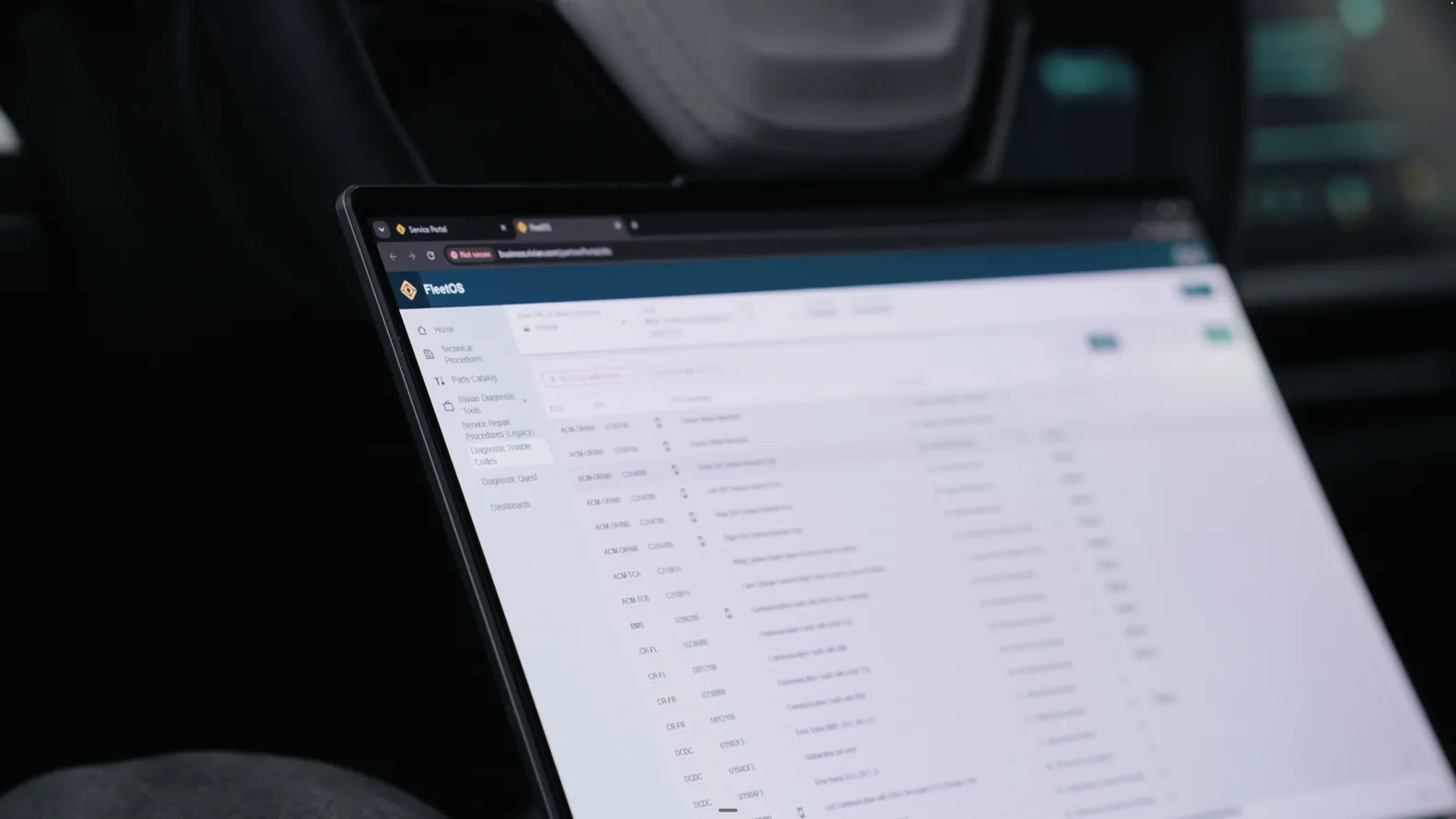
Every vehicle is scanned to identify all systems affected, cross-checked against OEM requirements.
Service & Calibration
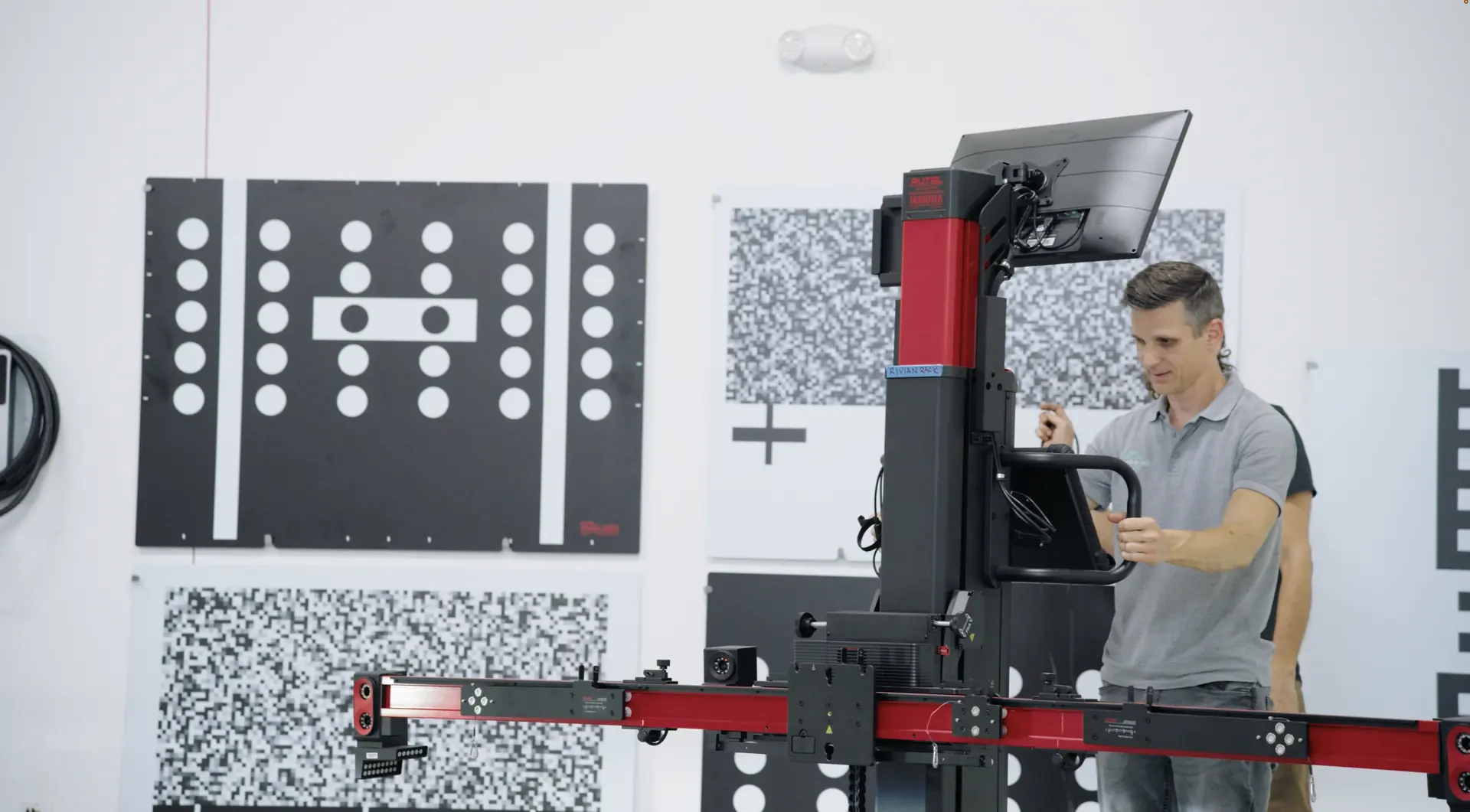
Performed in a controlled, target-based laboratory to OEM tolerance — not roadside guesswork.
Verification
Post-service diagnostics plus a recorded ADAS test-verification drive confirm pre-damage condition.
Docs & Delivery
Detailed reports for insurance compliance, then the vehicle is delivered back, done.
Full-service post-collision technology
Everything a repaired vehicle needs, under one standard. Each service opens a short detail on click.
 SRS & Airbag ServicesRestraint system diagnostics, reset, replacement, and repair — including seat-mounted airbags.
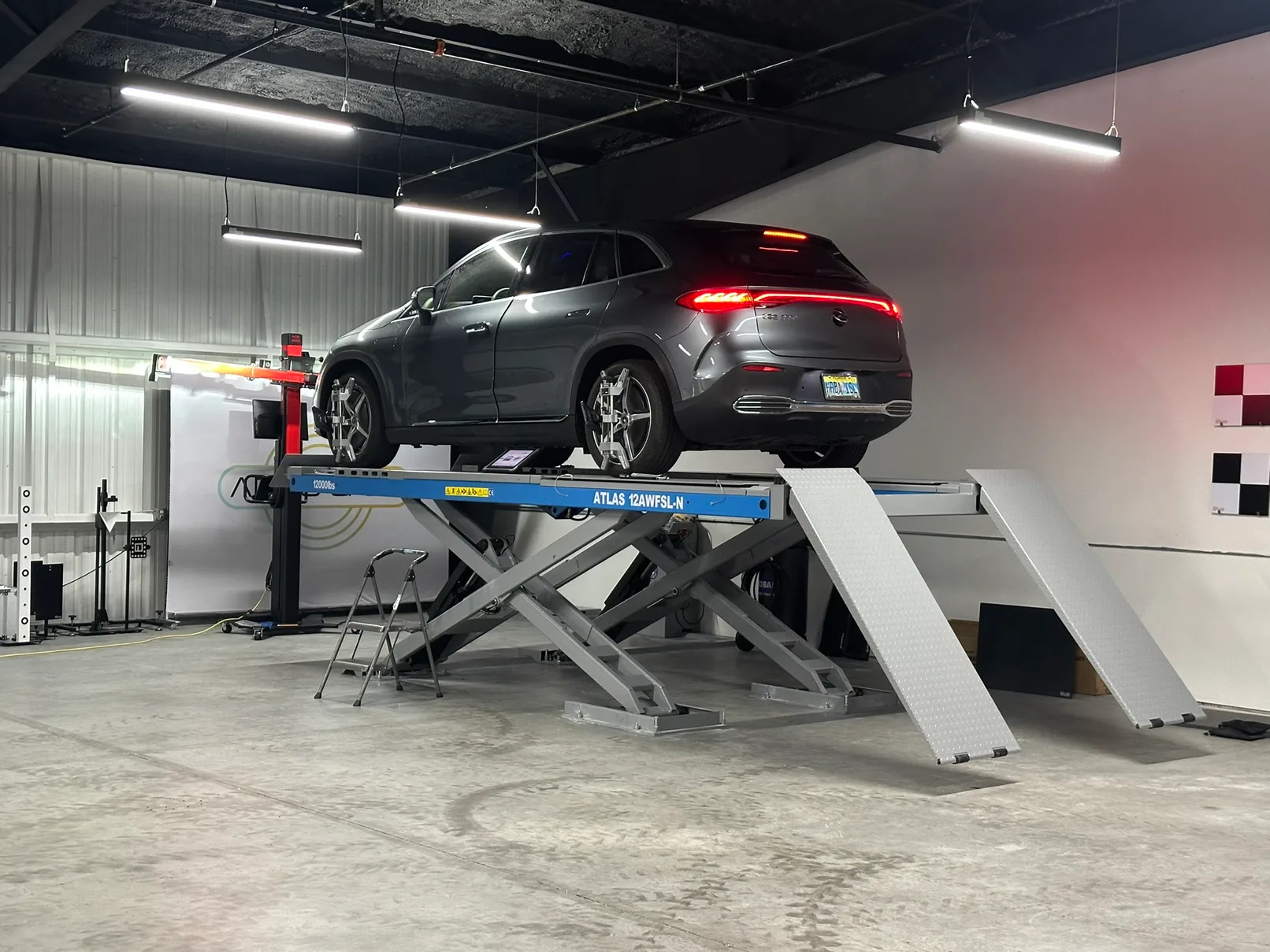 AlignmentsAn essential part of ADAS calibration.
Precision you can see
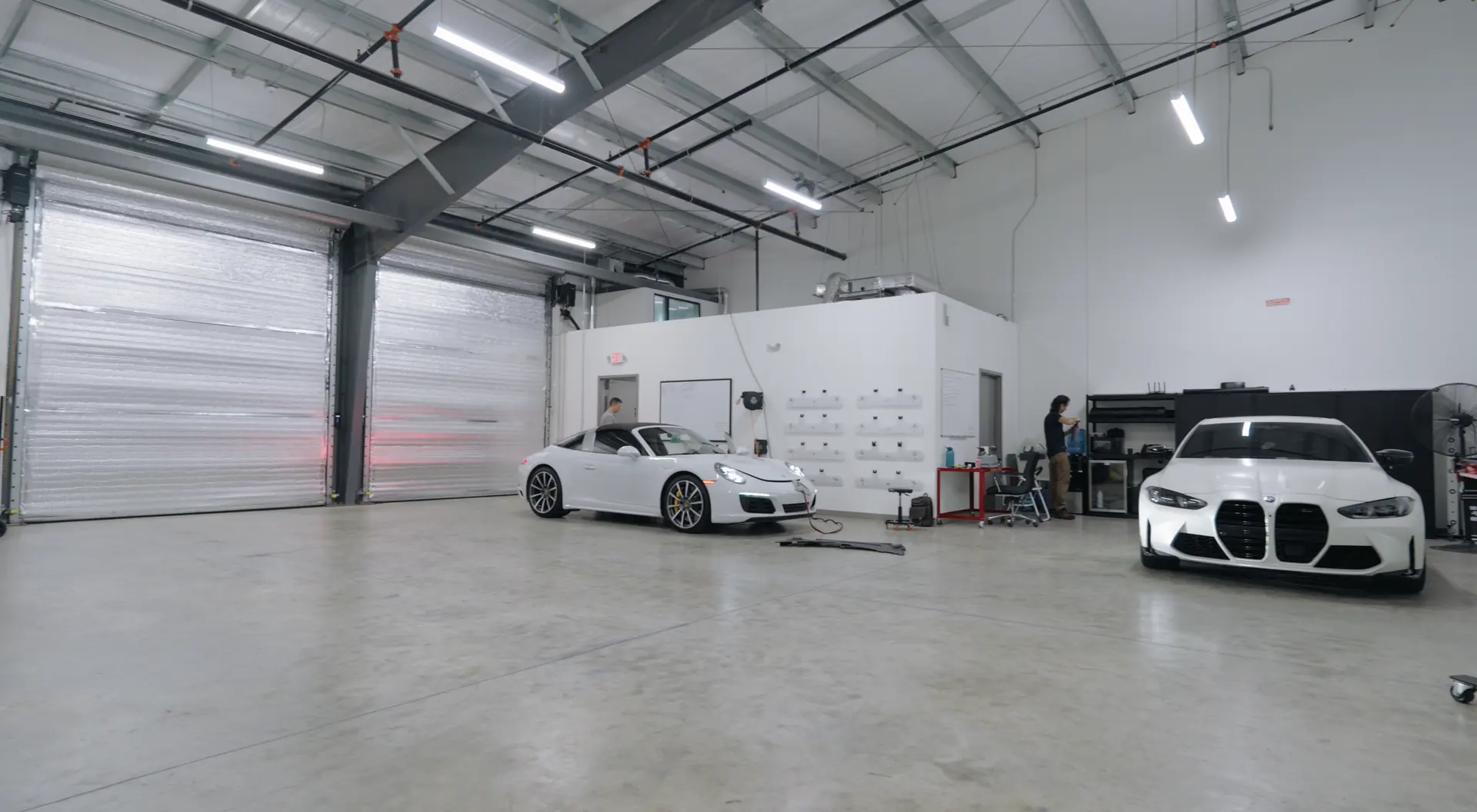
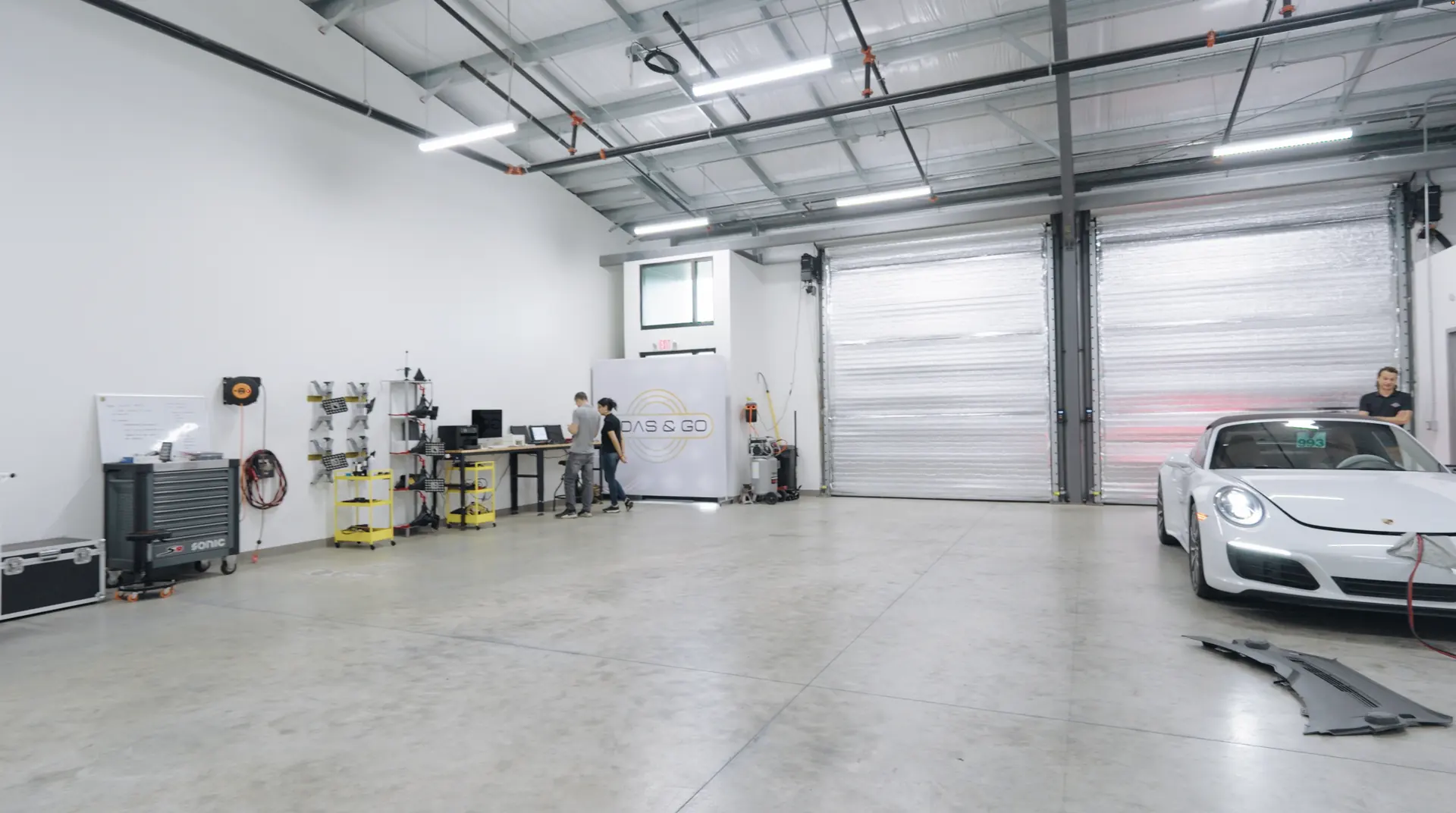
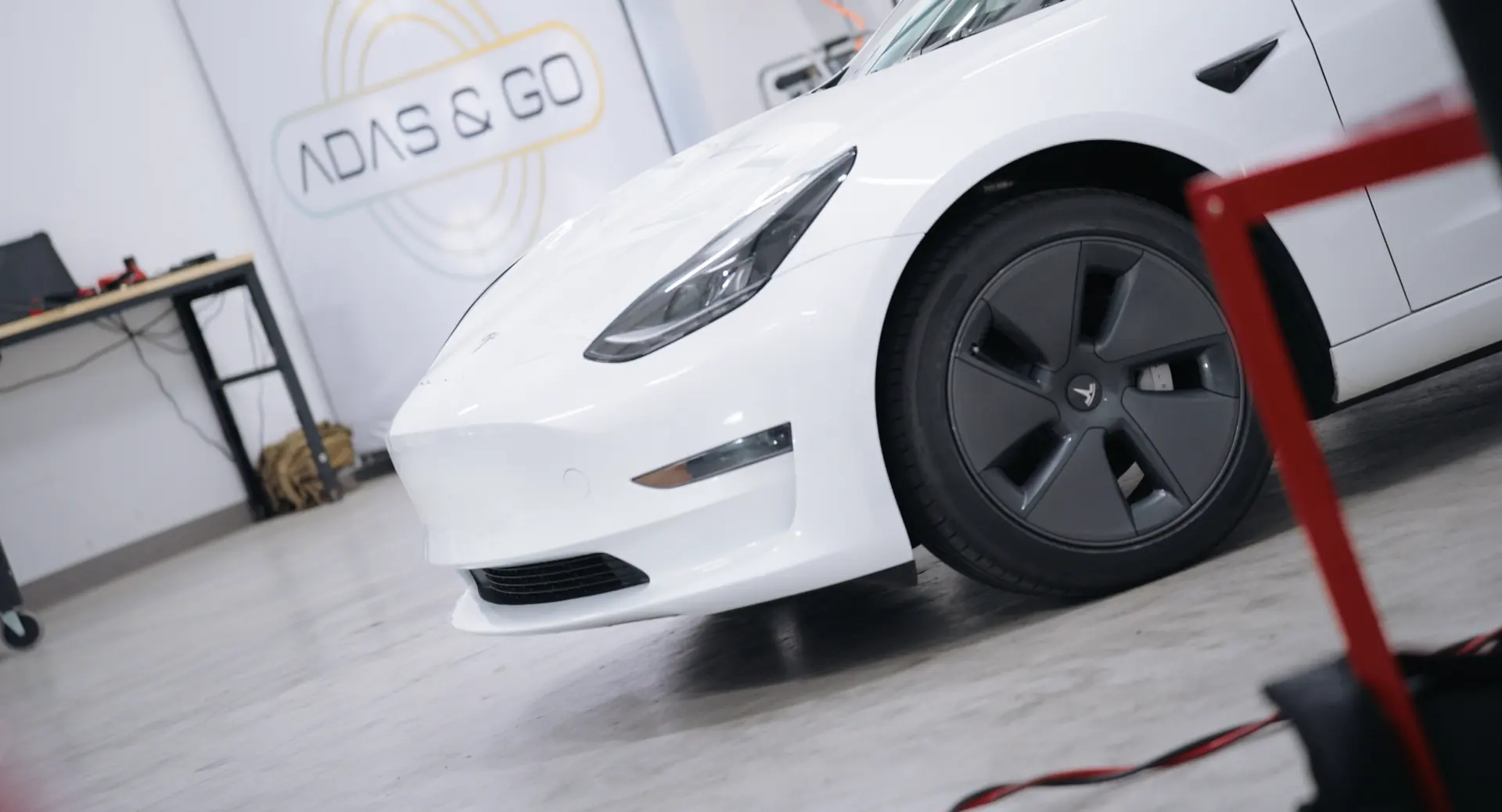
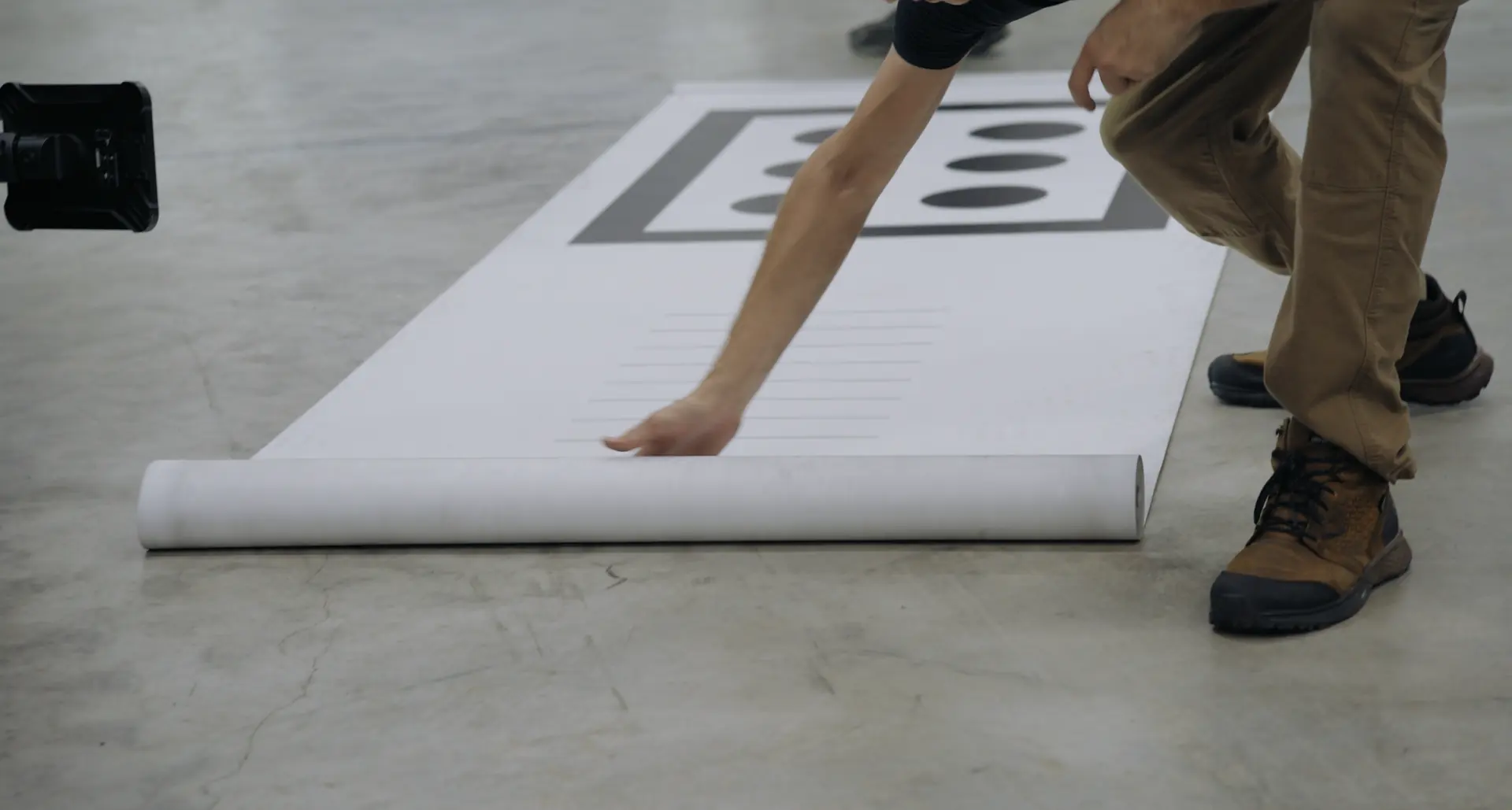
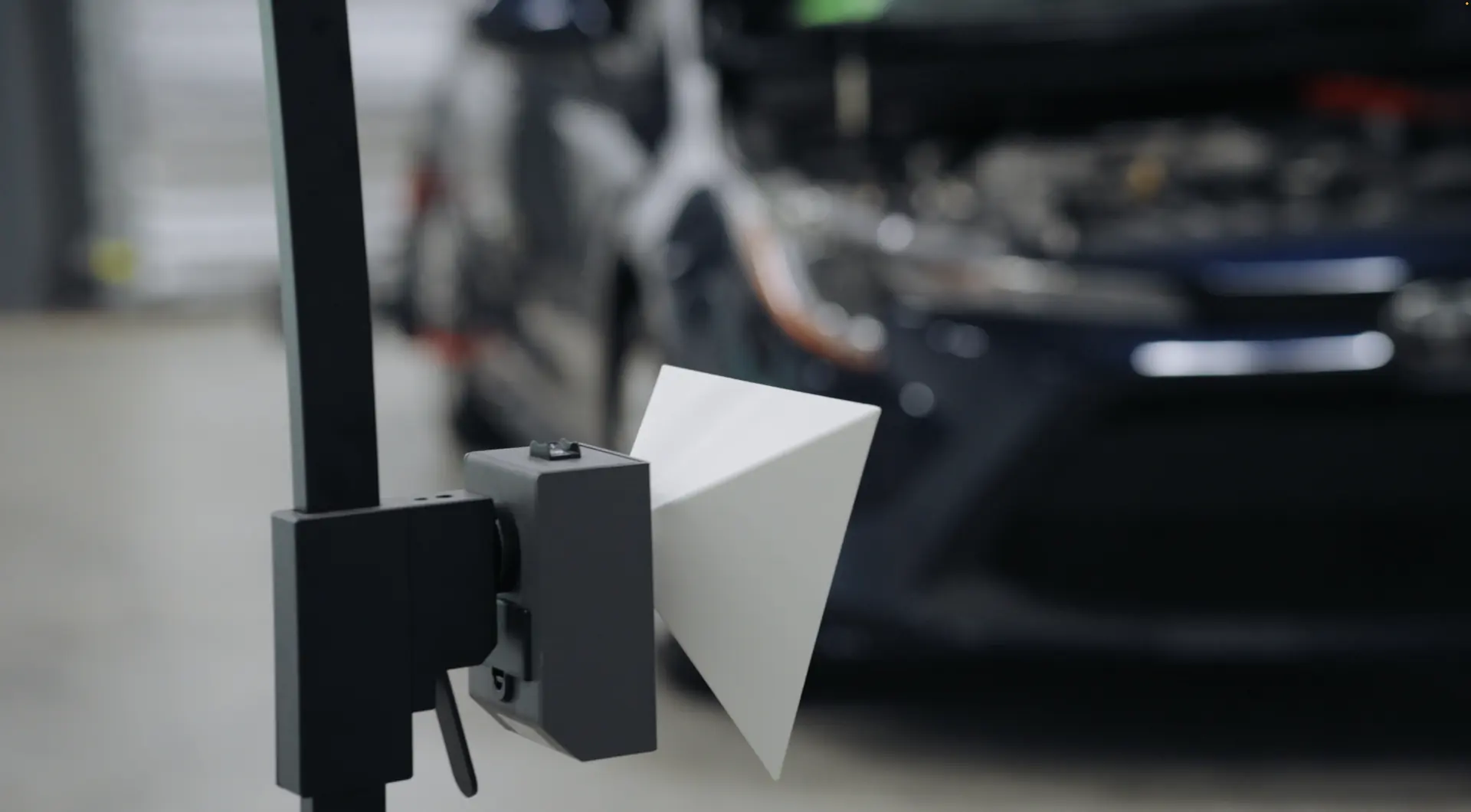
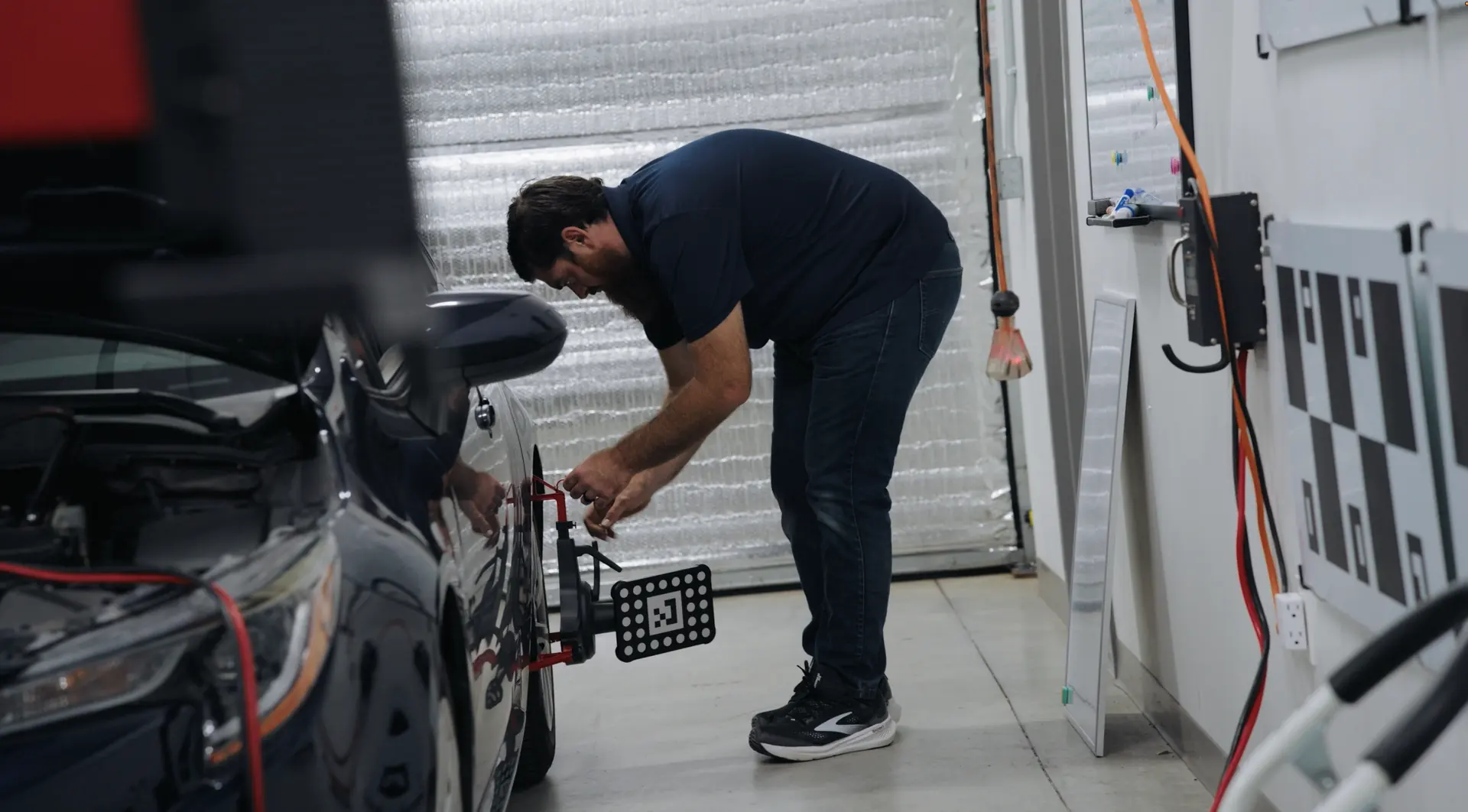
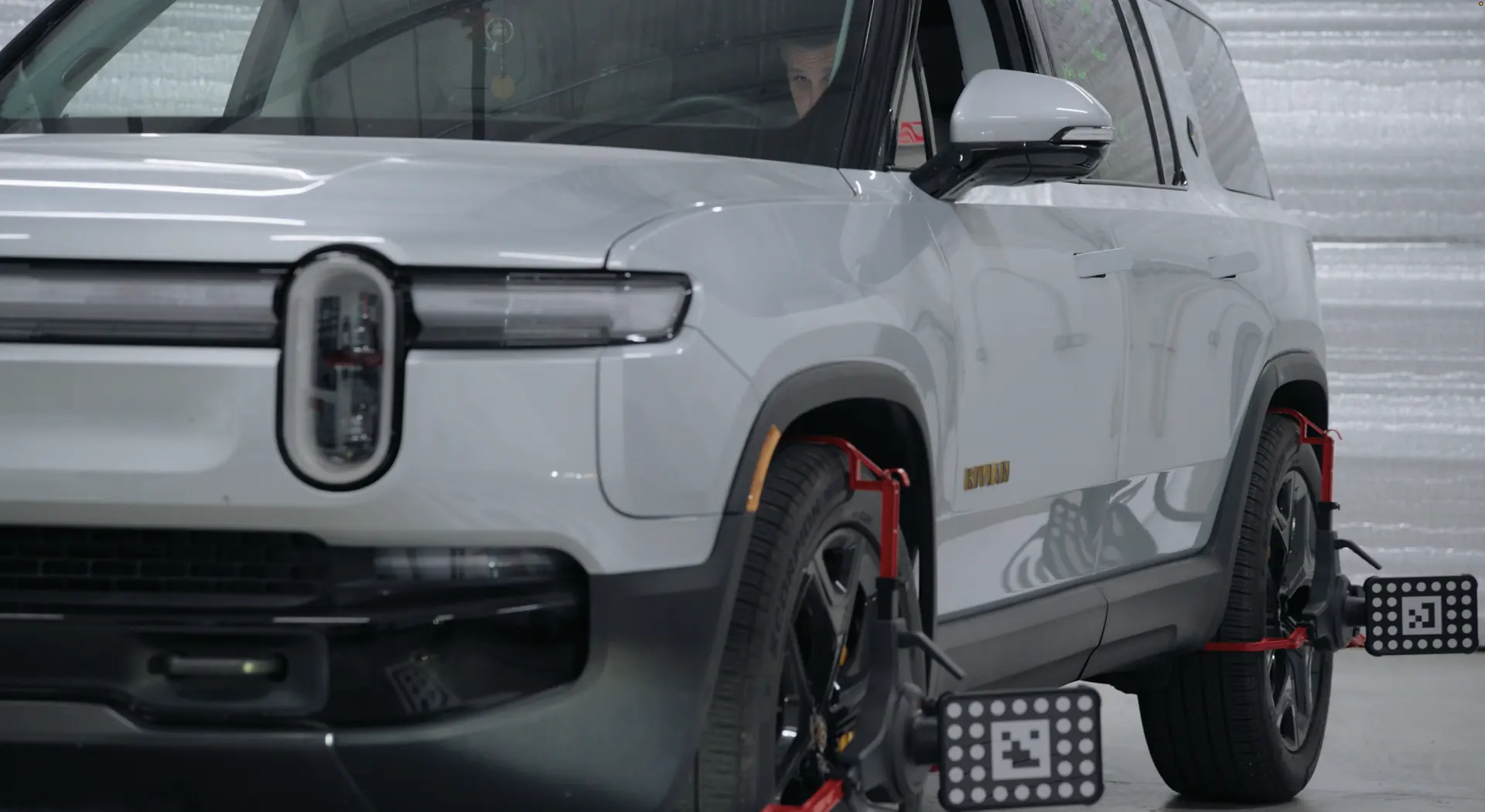
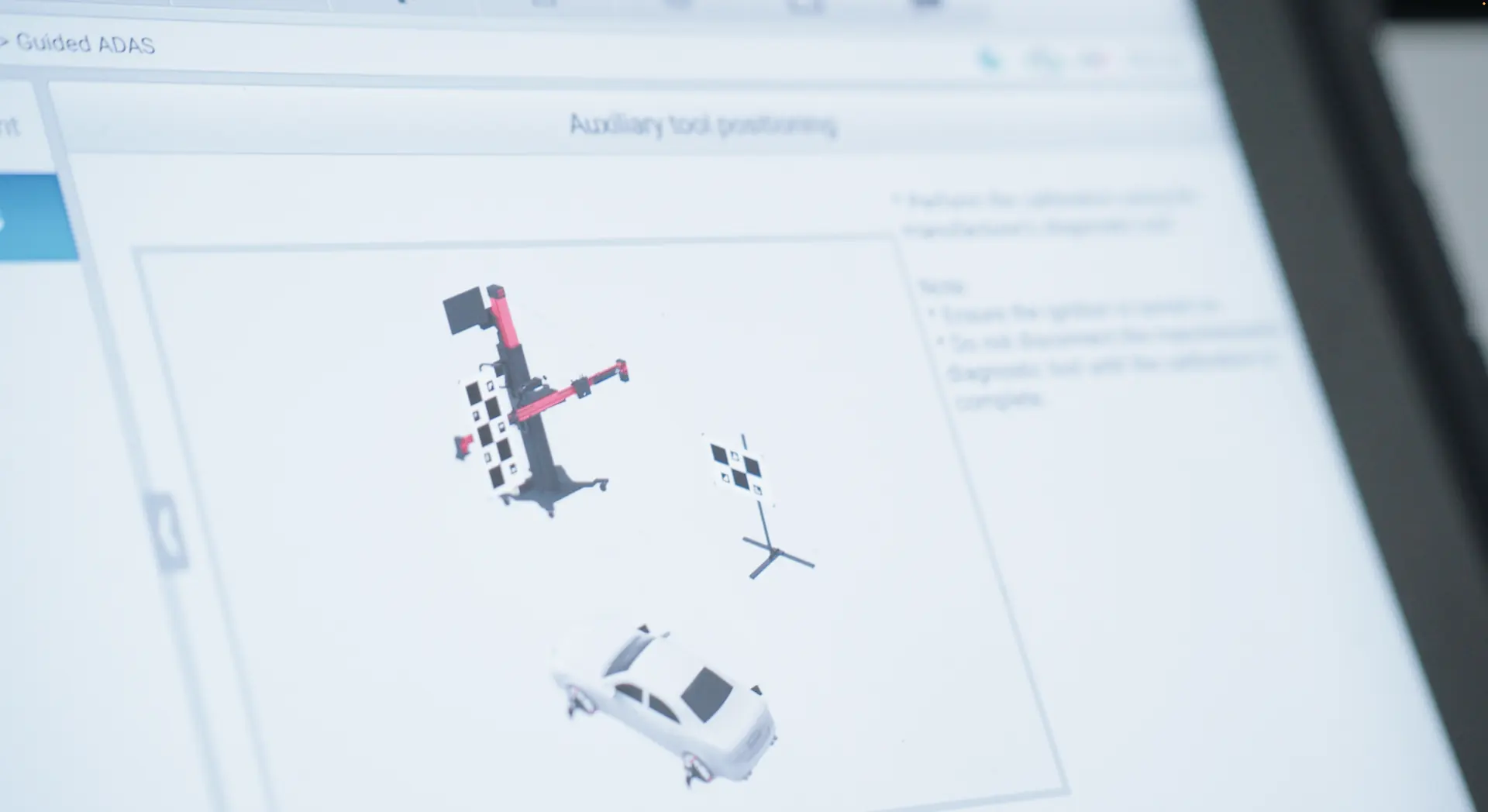
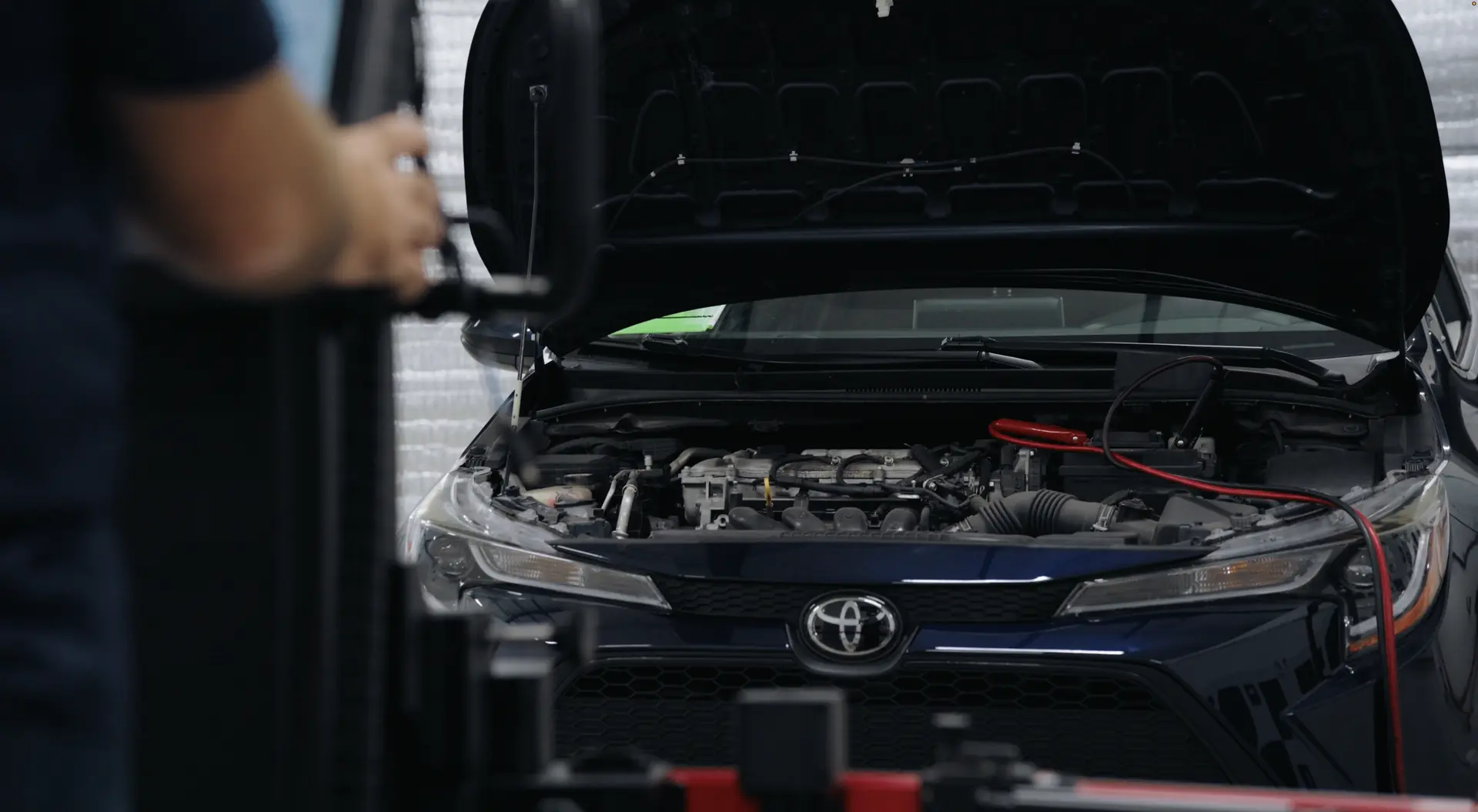
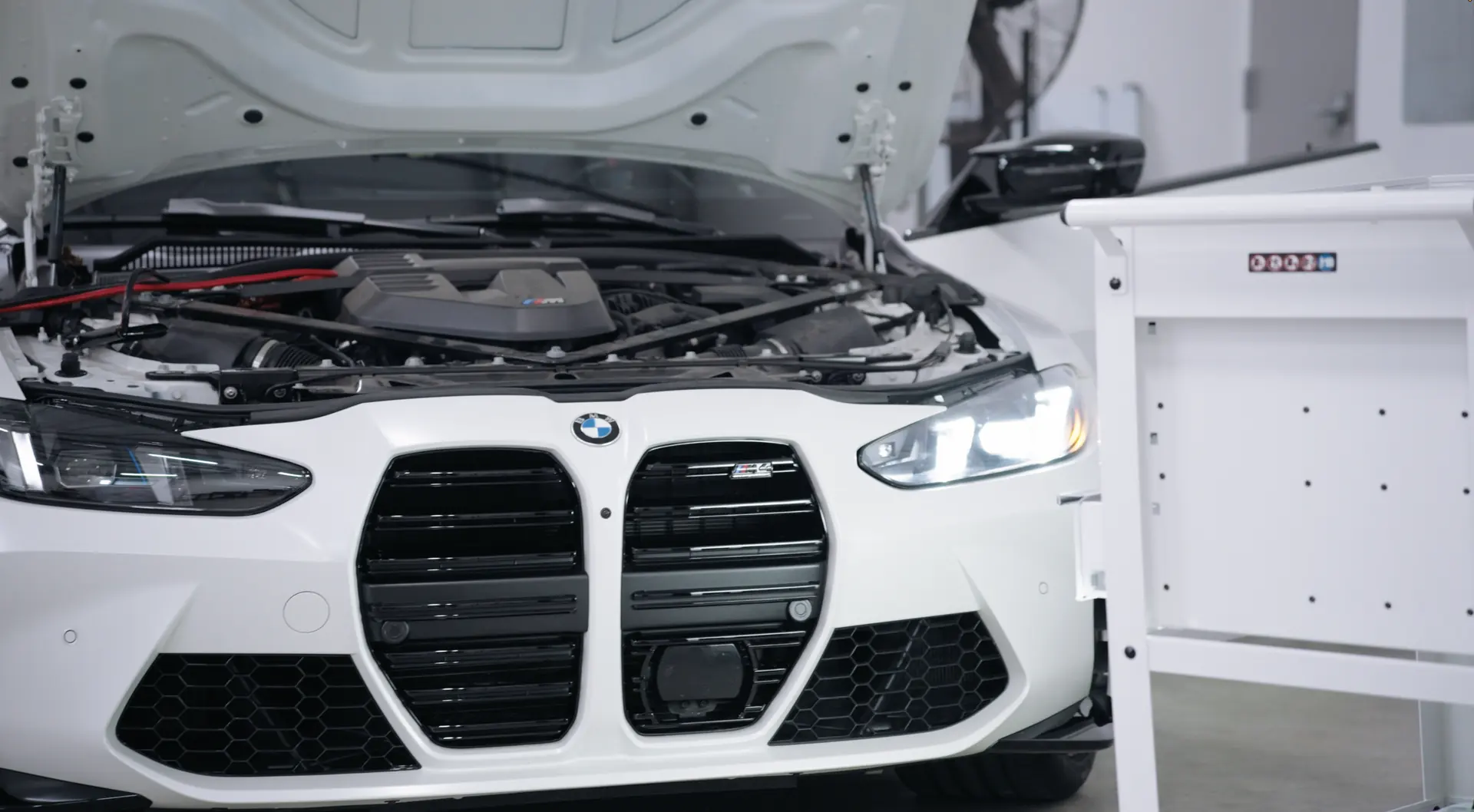
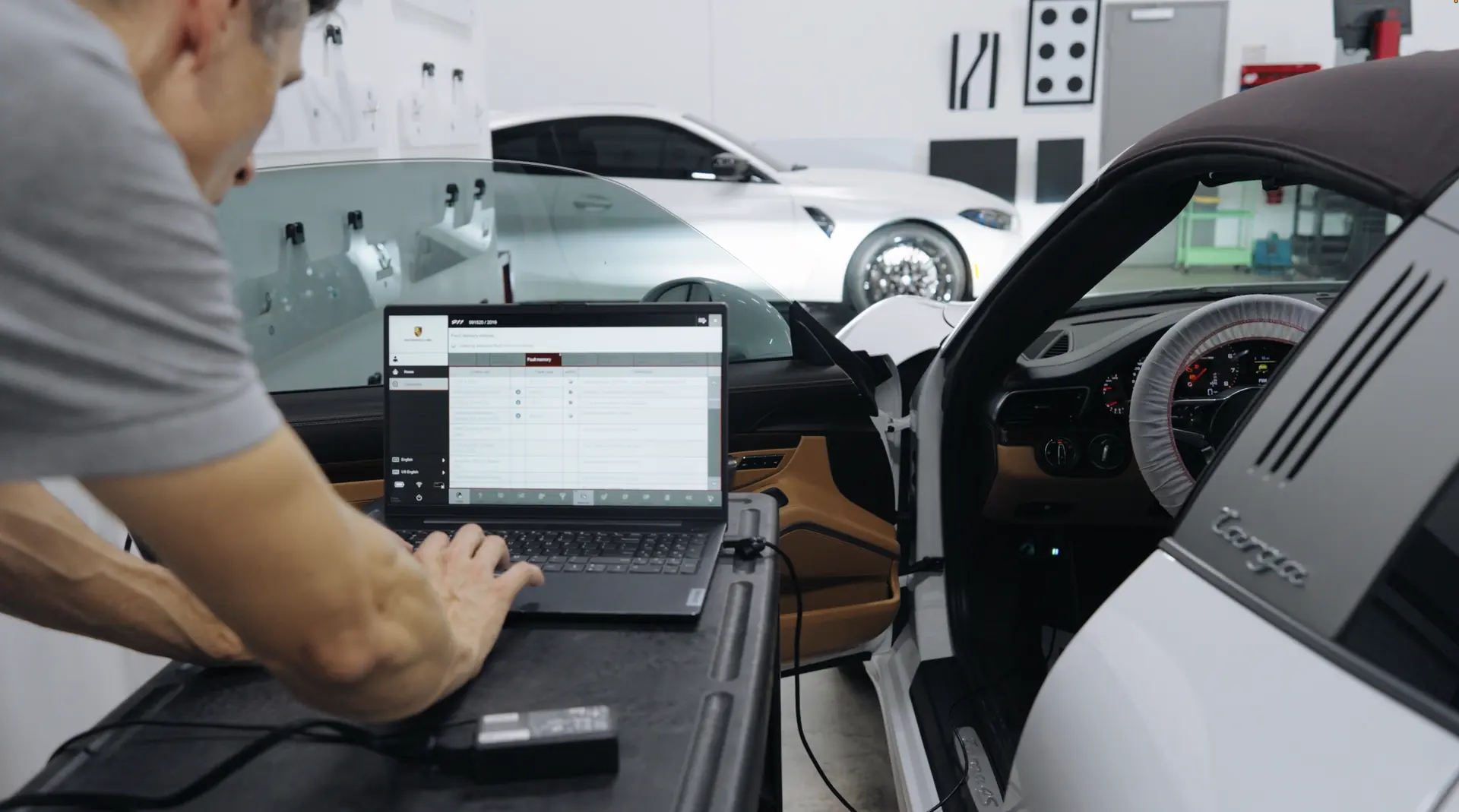
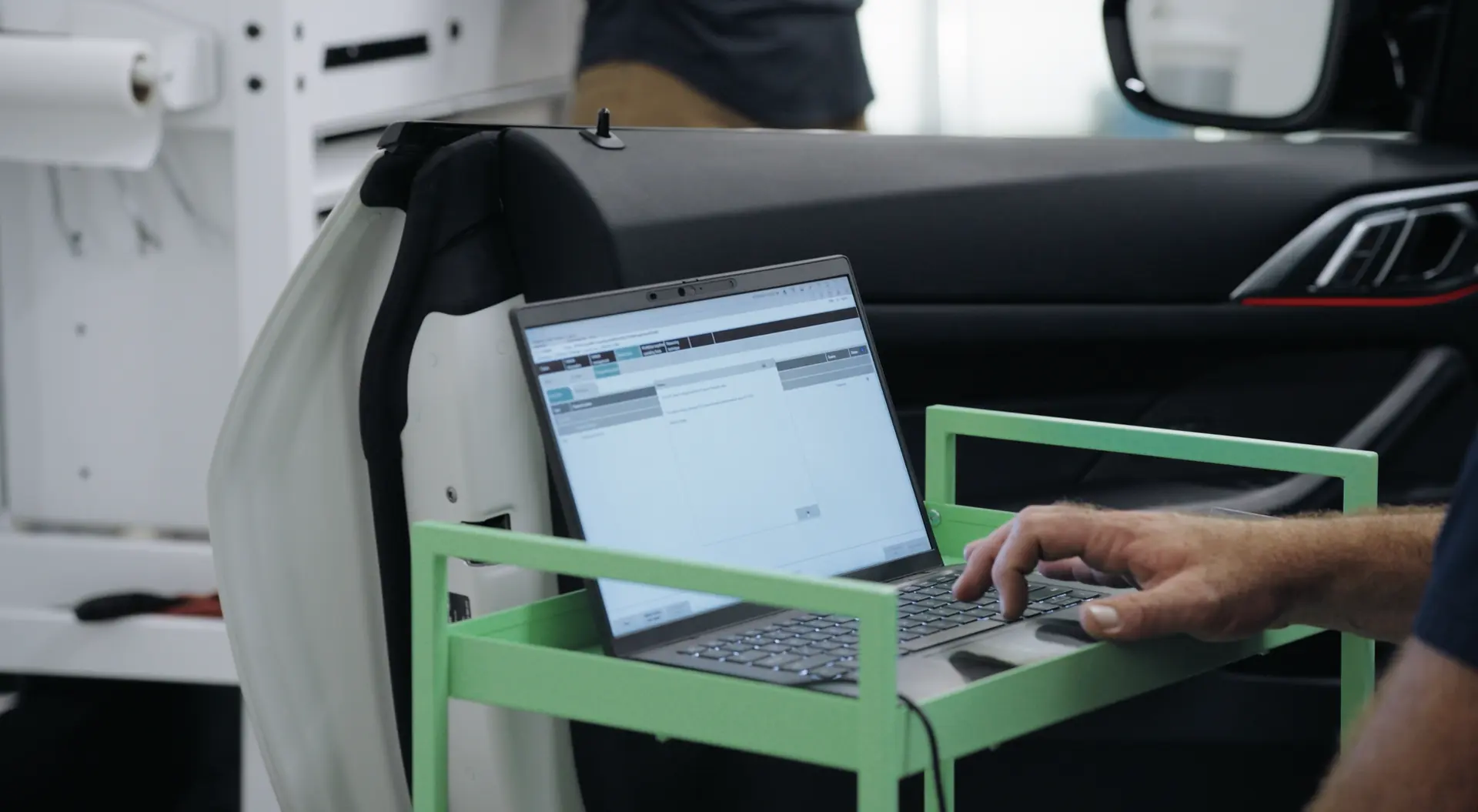
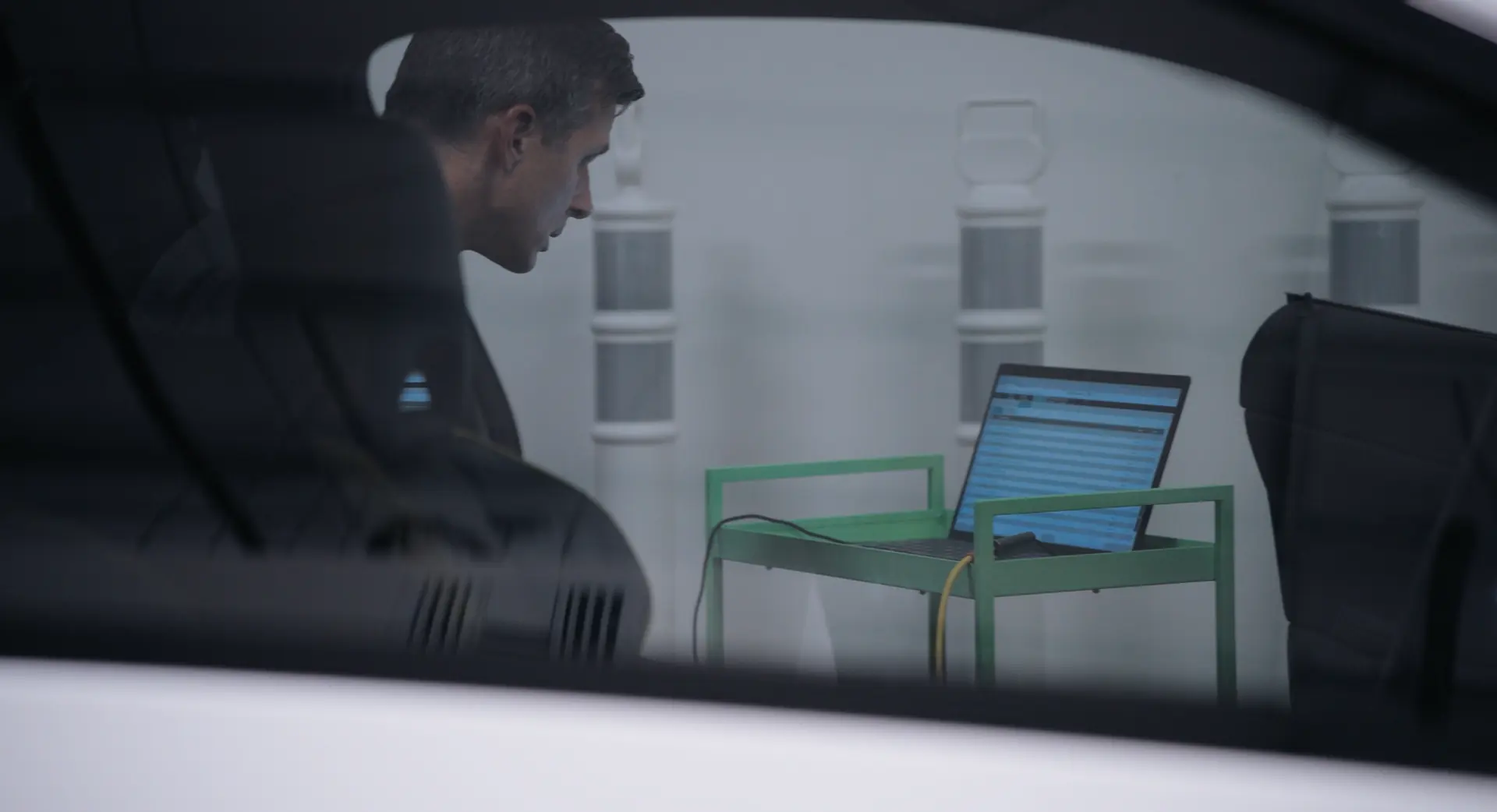
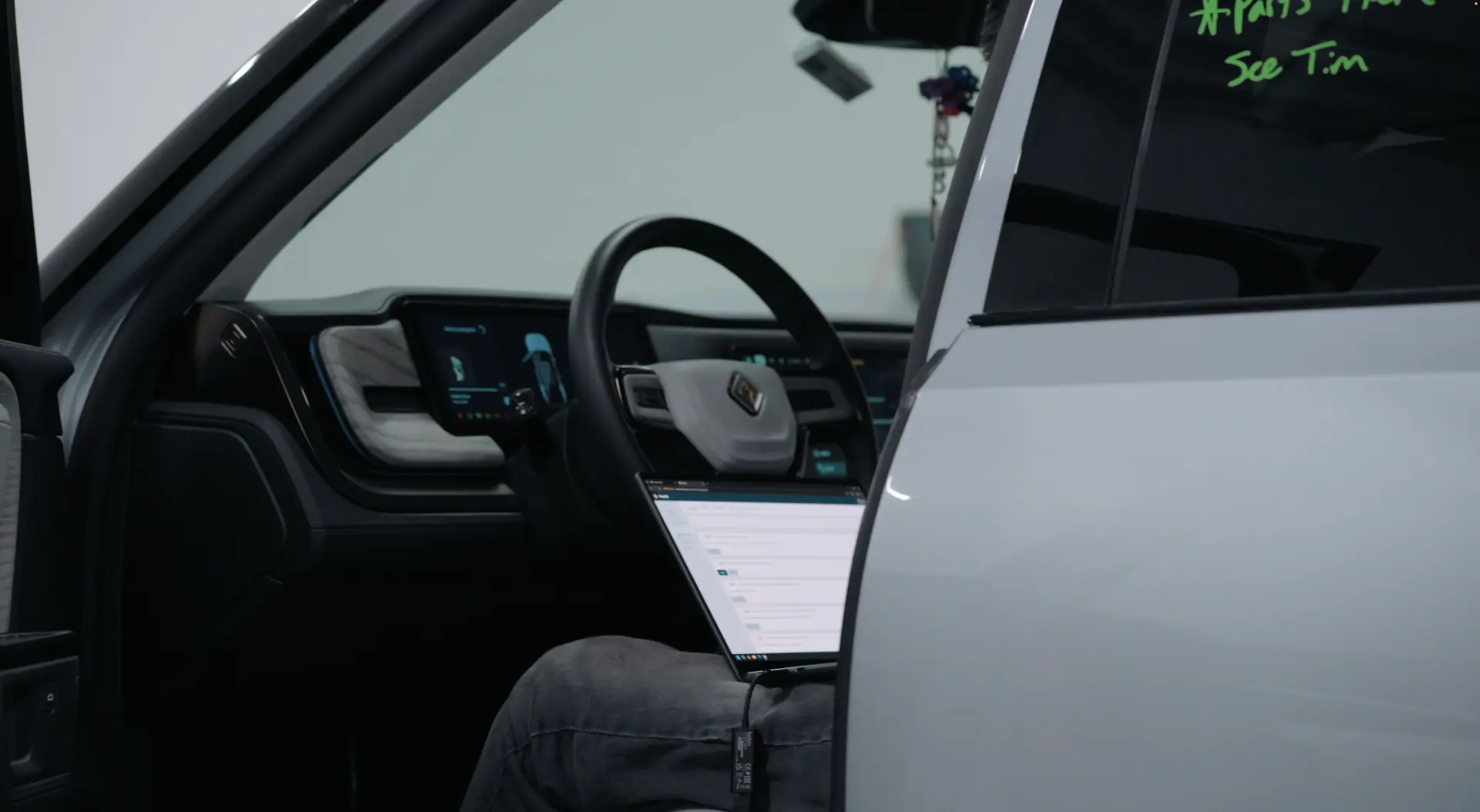
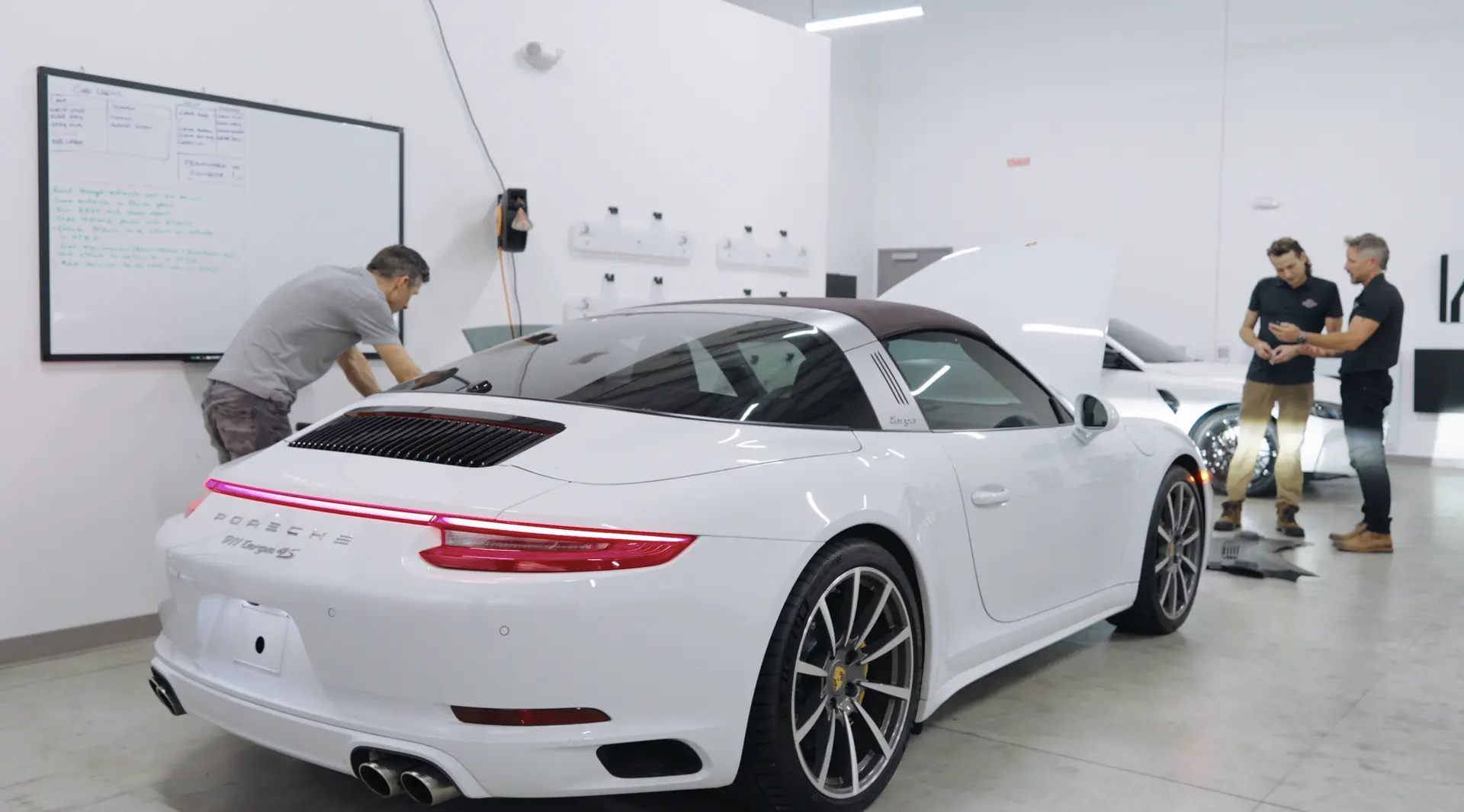
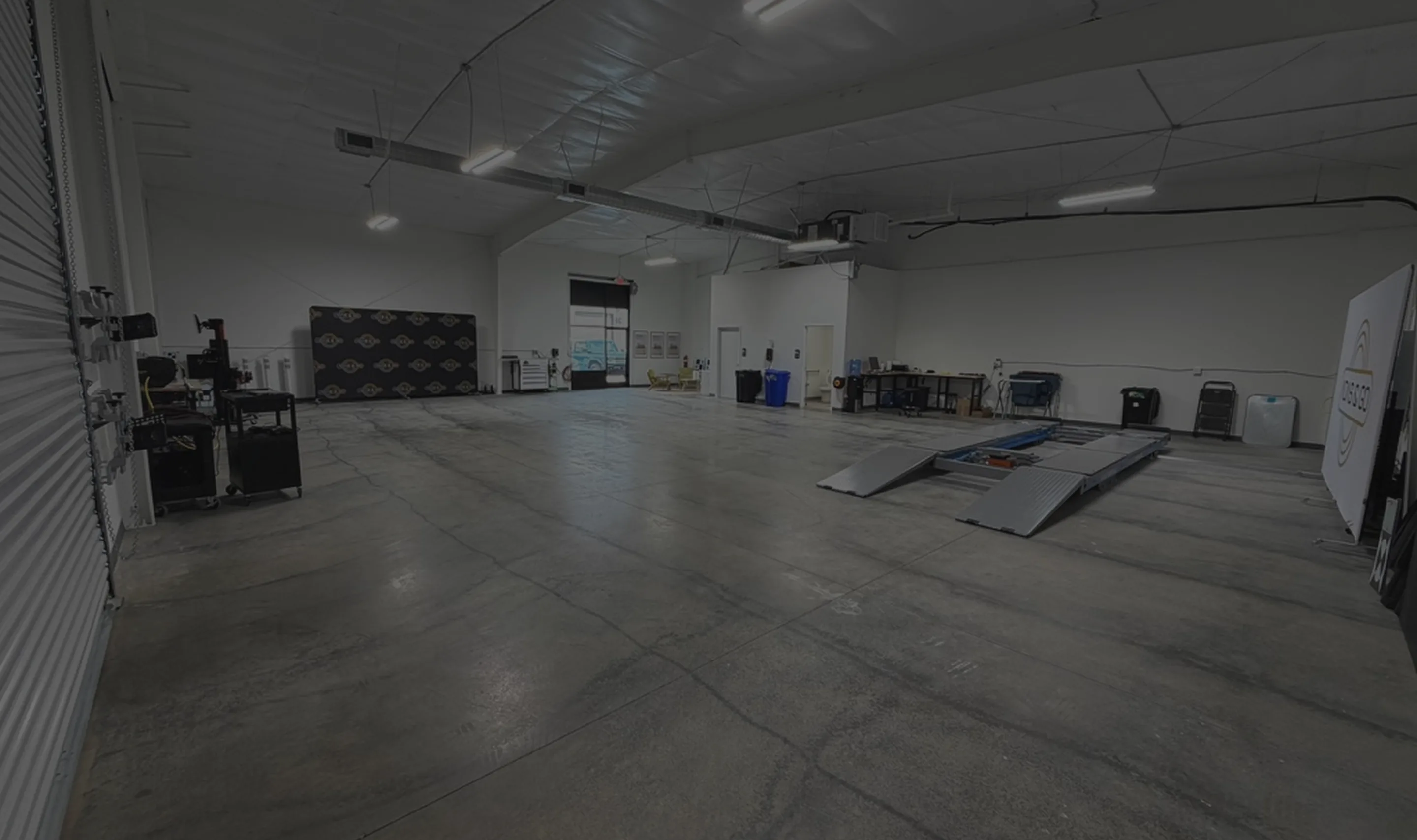
We built the environment for the technology side — the same way a shop builds for collision repair. Step inside our static calibration laboratories, the controlled, purpose-built spaces where every target, sensor, and system is checked to exact specification. The kind of environment most shops can’t afford to build — which is exactly why the work that stops everyone else gets done here.
Built on precision, not shortcuts
Every vehicle is serviced to full OEM procedure, verified before it leaves, and documented for compliance — because close enough isn’t a safety standard.
OEM Procedure, Every Time
No aftermarket shortcuts — OEM tooling and software, manufacturer spec exactly.
Documentation That Protects You
Every job verified and recorded — helps ensure your shop gets paid.
Multi-Location Consistency
The same standard, training, and equipment across every location.
Makes We Service Everyday
 Formally certified / approved — see credentials below
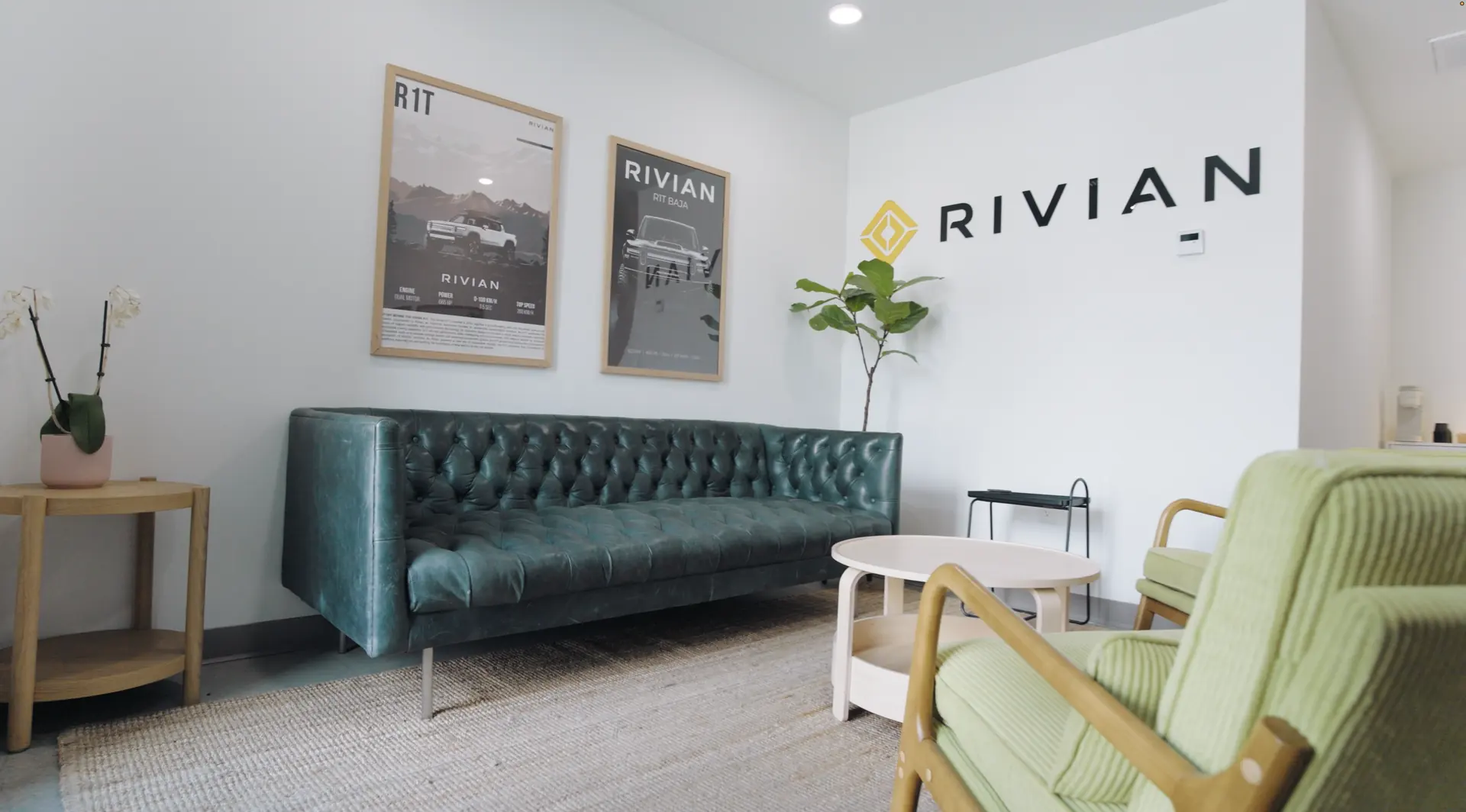
Rivian Certified Diagnostic Centers
Not a logo — an application, a training program, and dedicated equipment at each individual site. Most networks don’t have one.
Porsche FASIT Approved
PIWIS on site. Not subcontracted.
NASTF Accredited
Secure Data Release — key & immobilizer work.
Insured, Incl. Cyber Liability
Coverage on the vehicle data we handle
The largest static calibration center in the country.
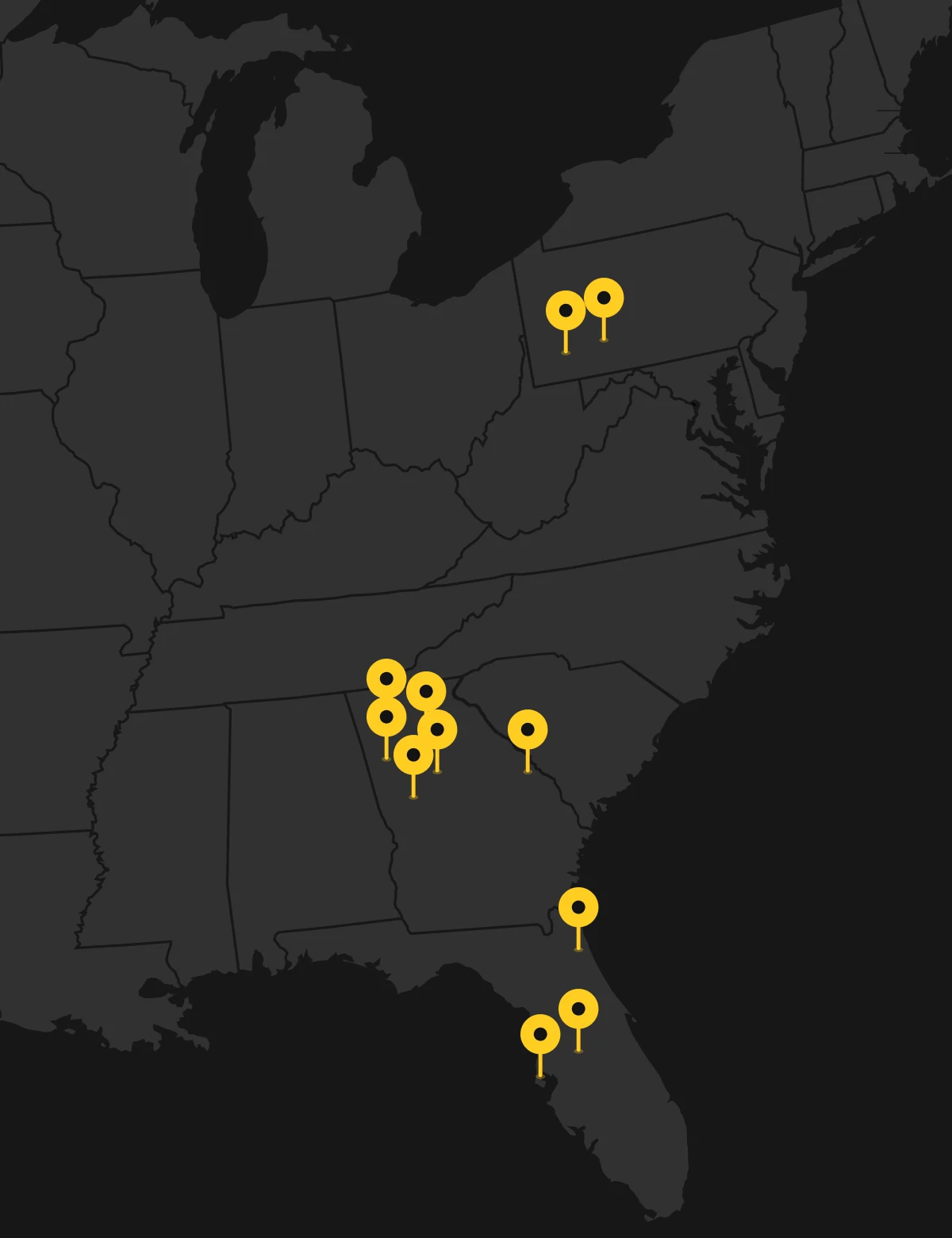
Serving collision repair facilities across Florida and Metro Atlanta — and expanding.
What shops ask us
Answers to the questions we hear most from collision repair facilities and dealerships.
Any vehicle with cameras, radar, or sensors used for driver-assist features needs those systems recalibrated after a collision, windshield replacement, or suspension work. Without it, features like lane-keeping assist and automatic braking may not function correctly — or at all.
Yes. Collection is the first step of our process, not an add-on: we come to you, document the vehicle’s condition on arrival, and deliver it back when the work and its paperwork are complete. Your bay is freed the moment we take the car.
Every job is verified and recorded as it is performed, and you receive the documentation with the vehicle — pre- and post-service scans, the calibrations carried out, and the manufacturer procedure each one followed. That record is what a shop needs when a line item is questioned, and it is produced as standard rather than on request.
That work is a large part of what we do. CAN-bus and low-voltage faults, gateway access, module programming and restraint systems are handled in our own calibration laboratories with manufacturer software on site — which is usually the reason a job came back rather than the fault itself.
Yes, and it is licensed per location rather than shared. Where a manufacturer requires its own software for an interface, that is what the vehicle is put on — PIWIS and ISTA among them — and the work is carried out to the manufacturer’s published procedure, not an aftermarket equivalent.
Ready to hand off the technology?
Tell us about the job and we’ll route it to the nearest location.